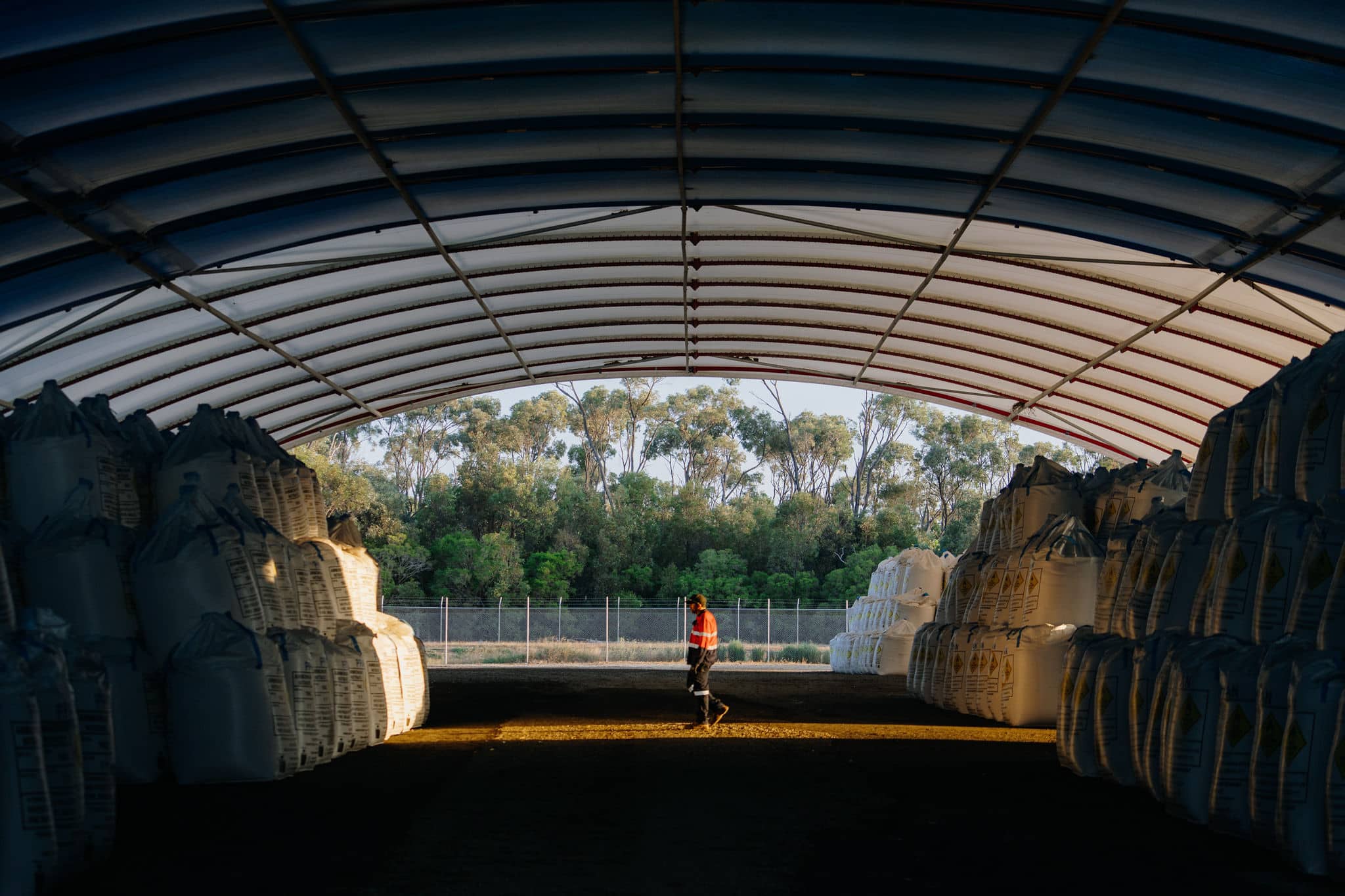
Have your say: Proposed ammonium nitrate storage facility, Camberwell NSW

We are seeking feedback on a proposed ammonium nitrate (AN) storage facility at 6133 New England Highway, Camberwell, NSW 2330, on land currently owned by Yancoal Australia. ADW Johnson is preparing the planning application on behalf of Enaex Australia Pty Ltd.

The proposed facility would store up to 10,000 tonnes of AN in 20 separate stacks, each with a capacity of 500 tonnes. It would support distribution to customers across the Hunter Valley and surrounding regions.

A comprehensive Environmental Impact Statement (EIS) will assess the proposal’s environmental, safety and community impacts. NSW Department of Planning, Housing and Infrastructure (DPHI) is the consent authority and will evaluate the planning application and EIS.

The project is currently in a scoping phase to identify key issues that should be considered in the EIS.

We’re inviting community members, councils, government agencies, businesses, landholders and other stakeholders to share any matters of interest, opportunities or concerns that should be considered as the proposal is developed.

Opportunities for input will continue throughout the planning process.

Safety in design

Ammonium nitrate is an essential component in the production of commercial blasting agents.
Safety is the highest priority in the planning, design and operation of the facility.
The project will:

Proposal overview

The proposed facility would include:


In addition to storing AN manufactured at Kooragang Island, AN will be also imported via the Port of Newcastle in bulk shipments (up to 6,000 tonnes) which will be transported to the storage facility using B-double road train configurations.

Feedback can be provided by:


  • completing the online survey using the QR code besides, or by visiting
    https://forms.office.com/r/Y68BH5knJG
  • emailing [email protected]
  • calling 1300 436 239


This consultation is open until 29th November 2026.

Next steps

A Scoping Report is currently being prepared to support an application for Secretary’s Environmental Assessment Requirements (SEARs).

Detailed technical studies and broader community engagement will follow as part of the EIS process.

All feedback received will help inform project planning and the development of appropriate mitigation measures.